Recall that given a function 

In Leibniz notation,

Question 1. Given constants 

(Click for Solution)
Solution. Differentiating twice,

Question 2. Consider the graphs of 

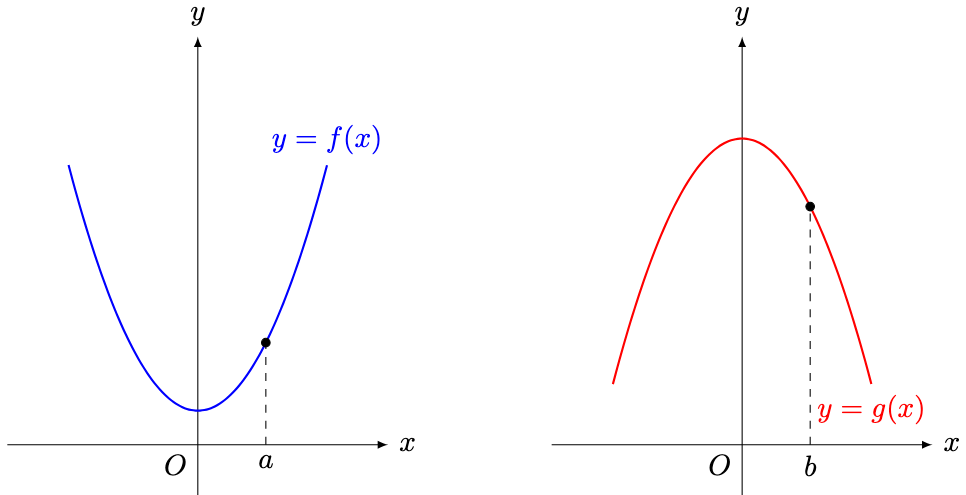
Explain qualitatively why 


(Click for Solution)
Solution. Let 


Similarly, let 


Question 3. Given any rational number 


Question 4. On the same diagram, sketch the graphs of 


(Click for Solution)
Solution. Using Question 3,

For 

Therefore, we sketch as follows.
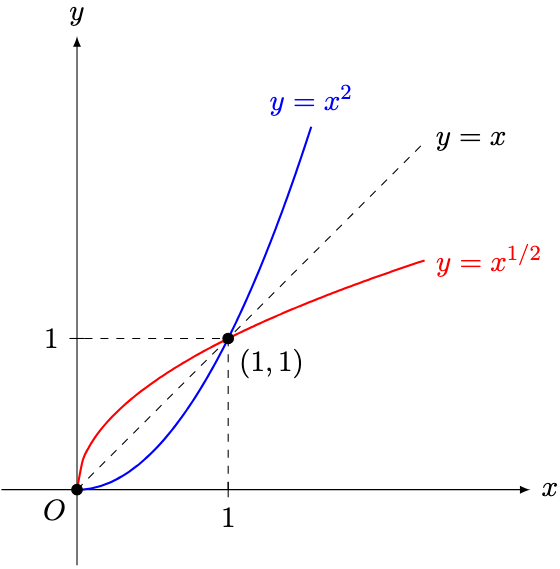
Both graphs pass through 


Question 5. On the same diagram, sketch the graphs of 


(Click for Solution)
Solution. Using Question 3,

For

For 

Therefore, we sketch as follows.
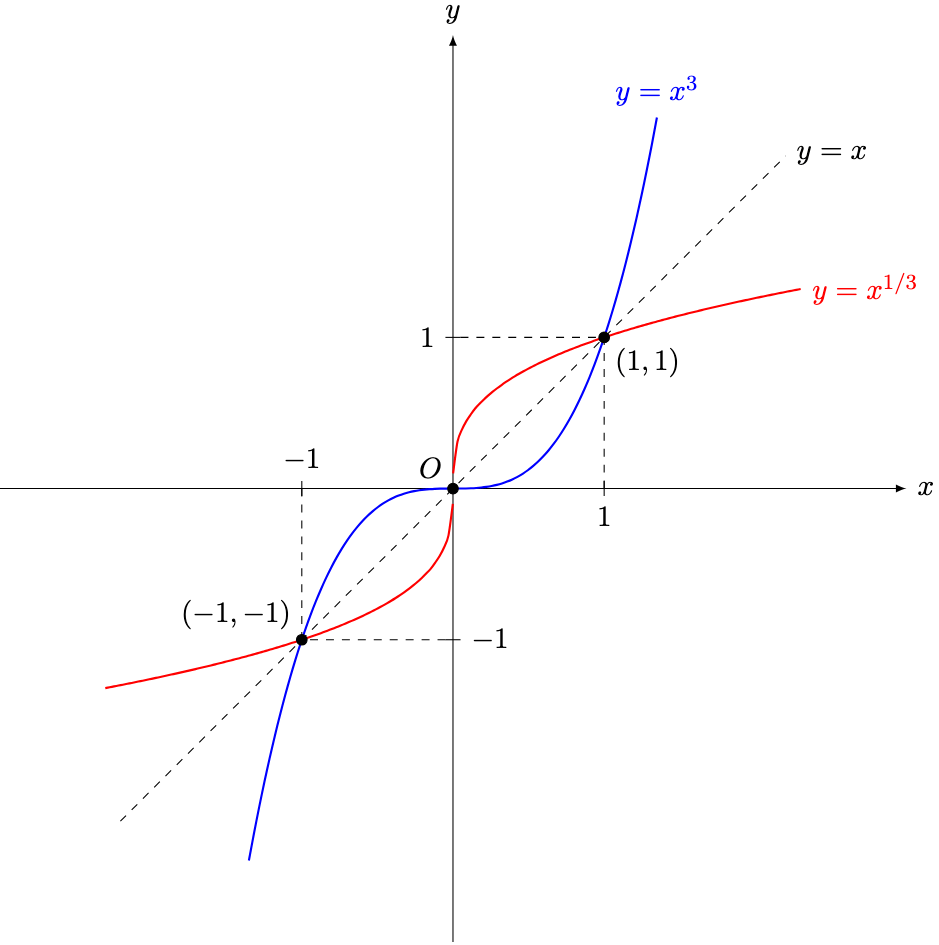
Both graphs pass through the points 
Question 6. Given that 


(Click for Solution)
Solution. By the chain rule,

Setting 

Therefore,
By the product rule and the chain rule again,

Setting

Making 

Therefore, under the assumption that 


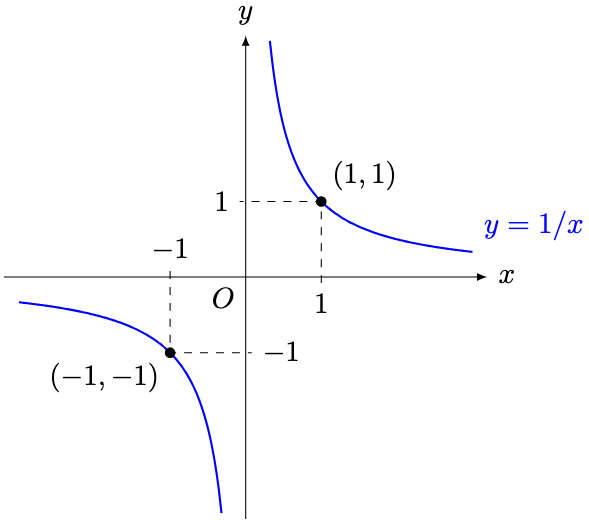
Question 7. Sketch the graph of 
(Click for Solution)
Solution. Using Question 3,

For

For

Therefore, we sketch as follows.
Question 8. On the same diagram, sketch the graphs of 
(Click for Solution)
Solution. Using Question 3,

For

For

Therefore, we sketch as follows.
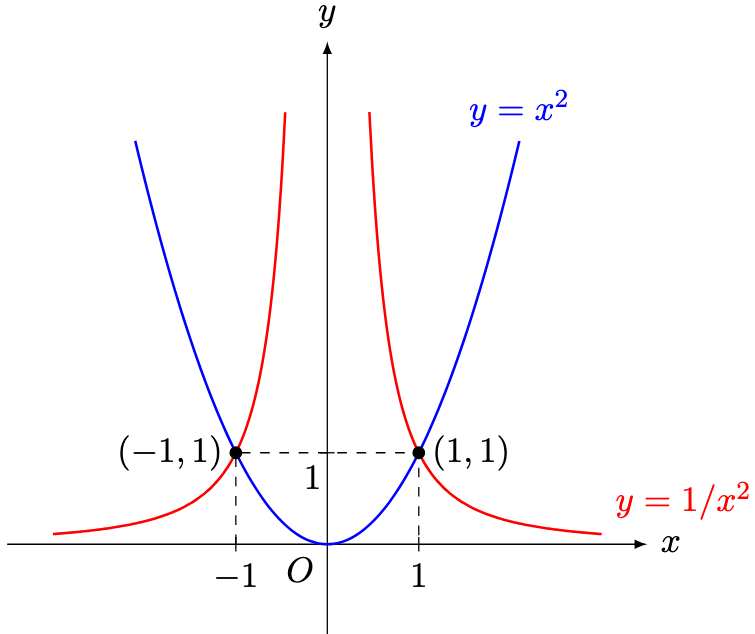
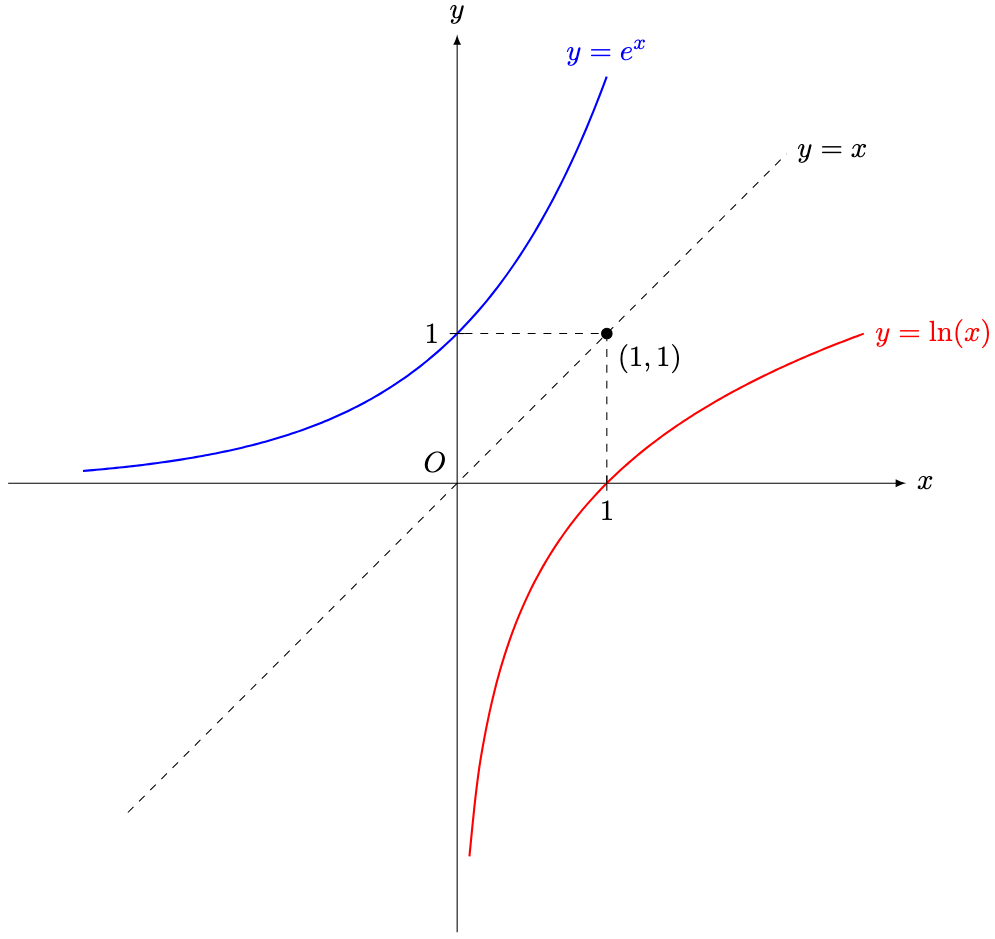
Question 9. On the same diagram, sketch the graphs of 


(Click for Solution)
Solution. Firstly, 

implies that
Secondly, since 

Therefore, we sketch as follows.
—Joel Kindiak, 9 Apr 26, 0111H
 KindiakMath
Leave a comment